


- All
- Bearing technology

- Linear technology

- Gaskets and seals

- Electric cylinders - actuators

- Industrial wheels & castors

- Standard Elements

- Electric motors

- Gearboxes

- Chains and Sprockets

- Belts

- Pulleys

- Gears and Gear Racks

- Transmission couplings

- Clamping Elements

- Engineering plastics

- Technical rubber

- Hand tools

- Purpose tools

- Workshop equipment

- Measuring tools

- LED work lights

- Pneumatic gauges

- Preparation and regulation of compressed air

- Pneumatic cylinders

- Pneumatic valves

- Accessories

- Cleaning products

- Adhesives

- Adhesive sealants

- Fillers and coatings

- Dosing equipment

- Industrial lubricants

- Vehicles and construction machine lubricants

- Lubricants for garden machinery

- Nautical lubricants

- Metalworking lubricants

- Greases and pastes

- Lubrication equipment

- Oil analysis

- Promotions and discounts
- Machine elementsCategoriesBearing technologyLinear technologyGaskets and sealsElectric cylinders - actuatorsIndustrial wheels & castorsStandard Elements
- Show all
- Retaining Rings – Circlips
- Dowel Pins
- Spring Pins
- Rubber Dampers
- Leveling Feet
- Fasteners
- Handwheels, Crank Handles
- Clamping Levers, Tension Levers
- Fixed, Rotating and Folding Handles
- Gripping Handles
- Industrial Hinges
- Control Handles
- Quick Clamps, Power Clamps, Tension Latches
- Indexing Elements
- Latches
- Adjustment Elements, Rotating Knobs, Adjustment Slides
- Magnets
- Rotary Controls
- Other Standard Machine Elements
- Promotions and discounts
Rolling bearings- Show all
- Deep groove ball bearings
- Angular contact ball bearings
- Spindle bearings
- Four-point contact ball bearings
- Self-aligning ball bearings
- Cylindrical roller bearings
- Tapered roller bearings
- Spherical roller bearings
- Needle roller bearings
- Inner rings
- Axial deep groove ball bearings
- Axial cylindrical roller bearings
- Axial needle roller bearings
- Axial spherical roller bearings
- Crossed roller bearings
- Track rollers
- Bearings for screw drives
- Precision bearings for combined loads
Housing unitsBearing housingsOther bearingsAccessoriesLinear guidesBall screws - spindlesLinear round shaftLinear modulesOtherRadial shaft seals and accessoriesHydraulic sealsBraided packingsMechanical sealsV-ring and other axial sealsX-ring sealsDC electric actuatorsAccessories for actuatorsGeneral purpose castorsCastors for rough floorsHeavy duty castorsStainless steel castorsCastors for mobile waste containersTemperature resistance castorsInstitutional castors and wheelsFurniture castors and wheelsRetaining Rings – CirclipsDowel PinsSpring PinsRubber DampersLeveling FeetFastenersHandwheels, Crank HandlesClamping Levers, Tension LeversFixed, Rotating and Folding HandlesGripping HandlesIndustrial HingesControl HandlesQuick Clamps, Power Clamps, Tension LatchesIndexing ElementsLatchesAdjustment Elements, Rotating Knobs, Adjustment SlidesMagnetsRotary ControlsOther Standard Machine Elements - Power transmissionCategoriesElectric motorsGearboxesChains and SprocketsBeltsPulleysGears and Gear RacksTransmission couplingsClamping ElementsSingle phase induction motorsThree phase induction motorsMotor mountingFrequency inverter regulatorsGearbox accessoriesWorm gear boxesPlanetary gearboxesHelical and helical bevel gearboxesVariatorsGeared motorsGall ChainsLeaf ChainsChain LinksSprocketsChain TensionersChain GuidesChain TightenersV-beltsTiming beltsPoly V-beltVariator beltsAutomotive beltsAgricultural beltsBelt profiles for drive and transportFlat beltsConnecting plates for timing beltsV-Belt PulleysTiming Belt PulleysTiming Belt BarsFlanges for Timing Belt PulleysRibbed PulleysVariator PulleysGear RacksBevel GearsCylindrical GearsJaw couplingsElastomer couplingsChain couplingsRigid shaft couplingsRubber tyre couplingsGear couplingsCardan couplingsTaper Lock BushingsHubs for TL BushingsScrews for TL BushingsClamping Rings
- Technical plastics and rubberCategoriesEngineering plasticsTechnical rubberPE plastics (polyethylene)PA plastics (Nylon)POM plasticsPP plasticsPTFE plasticsPET plasticsPEEK plasticsPVDF plasticsPSU plasticsRubber with a smooth surfacePatterned rubber flooringStable rubber flooring
- ToolsHand toolsPurpose toolsWorkshop equipmentMeasuring toolsScrewdriversWrenches and RatchetsPliersKnives, blades and sawspoints, chisels and punchesHammersLeversThreading drillsTool setsDrilling machinesHydraulic liftsWheelbarrowsBearing toolsDiagnostics instrumentsTools for seals & gasketsTools for beltsTools for chainsLiner stripsTools for conveyor beltsOther toolsWork glovesWarehouse boxesMarkers and marker coloursZinc spraysAcrylic coloursLeak detectorsTrolleys, cases and tool bagsOther workshop equipmentMeters and gaugesMeasuring slipsOther measuring toolsHand lampsHeadlampsLED floodlightsLED headlights
- PneumaticsCategoriesPreparation and regulation of compressed airPneumatic cylindersPneumatic valvesAccessoriesPneumatic gaugesAccessories for pneumatic gaugesCompressed air service systemsFilter regulatorsPressure regulatorsOilersFiltersHosesFittings and connectorsHose clampsCompressed air gunsNoise dampersVacuum technology
- Cleaners and adhesivesCleaning productsAdhesivesAdhesive sealantsFillers and coatingsDosing equipmentBrake cleanersIndustrial cleaners and degreasersRemoversContact spraysSurface preparation productsAbsorption agentsHand cleanersAutocosmeticsBolt guardsAdhesives for joining cylindrical partsQuick-setting adhesivesUniversal adhesivesAcrylic adhesivesEpoxy adhesivesPolyurethane adhesivesHybrid adhesivesPurpose adhesivesUV adhesivesActivators and primers for adhesivesAdhesive tapesThread sealsSiliconesElastic sealantsLiquid gaskets for flangesLiquid metalsEpoxy coatingsMixing pointsDosing needlesDosing gunsOther dosing equipment
- Lubricants and equipmentCategoriesIndustrial lubricantsVehicles and construction machine lubricantsLubricants for garden machineryNautical lubricantsMetalworking lubricantsGreases and pastesLubrication equipmentOil analysisHydraulic oilsSlideway and sliding oilsIndustrial gear oilsCompressor oilsCirculating oilsHeat transfer oilsChain lubricantsGas engine oilsMultipurpose lubricantsRelease agentsUniversal silicone oilsOther lubricantsEngine oilsGearbox and differential oilsUniversal tractor and construction machine oilsFunctional liquidsOther agents for vehicle maintenanceEngine oils for garden machineryOils for chainsaw chainsMarine engine oilsOther marine lubricantsPenetrating oilsCorrosion protective agentsWelding agentsCutting agentsEmulsions for metalworkingPunching oilsOils for transformationErosion fluidQuenching oilsAdditives for emulsionsGrease equipmentOil equipmentAdBlue equipmentEquipment for chemicals
Reliable Technical Partner for Industrial Maintenance and Mechanical ComponentsLubricants and equipmentVehicles and construction machine lubricantsEngine oilsPassanger cars and Commercials vehicles engine oils
Passanger cars and Commercials vehicles engine oils
(168)


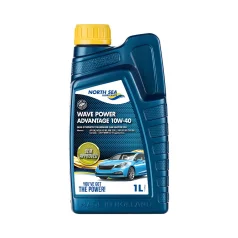
Displayed 20 from 168 products
Show more productsEngine oils for effective engine protection
Engine oil is one of the key factors for correct, efficient and long-term engine operation. Its primary task is to lubricate moving components and reduce friction, but modern engine oils also perform a number of other important functions.
Quality oil helps protect engine components against wear, assists with heat dissipation, helps keep the engine interior clean and protects surfaces against corrosion and the formation of harmful deposits.
The requirements of modern engines are particularly high. Smaller engine displacements, turbochargers, direct injection, exhaust gas aftertreatment systems and longer service intervals require an oil that meets precisely defined vehicle-manufacturer specifications.
Therefore, engine oil should not be selected on viscosity alone; the required standards, specifications and approvals must also be checked.
How to choose the right engine oil?
The most important starting point is the vehicle manufacturer's manual. It specifies the required viscosity, quality standards and often specific vehicle-manufacturer specifications.
When selecting an oil, consider in particular:
- the recommended SAE viscosity,
- the required API standard,
- the required ACEA standard,
- any vehicle-manufacturer approvals, e.g. MB, VW, Reno …
- the engine type,
- the presence of a DPF or other exhaust gas aftertreatment systems,
- the service interval,
- the type and conditions of driving.
For example: Two oils marked 5W-30 are not necessarily interchangeable. Although they have the same viscosity grade, they may meet different ACEA, API or automotive specifications.
What do the 0W-20, 5W-30 and 5W-40 designations mean?
The SAE designation describes the viscosity of engine oil under different temperature conditions.
For 5W-30 oil, the first part of the designation, 5W, describes the oil's low-temperature properties, while the second part, 30, indicates its viscosity grade at operating temperature.
A lower number before the letter W generally means better cold-start properties at low temperatures. The second number describes viscosity at higher or operating temperature.
Our range includes numerous viscosity grades, including:
0W-16, 0W-20, 0W-30, 0W-40, 5W-20, 5W-30, 5W-40, 10W-40, 10W-60, 15W-40 and 20W-50.
The correct viscosity is not determined only by the season or age of the vehicle, but primarily by the engine manufacturer's requirements.
5W-30 engine oil
5W-30 engine oil represents one of the largest segments of our range and is used in many passenger cars and light commercial vehicles.
However, the 5W-30 designation alone does not determine which engine the oil is suitable for. Products with this viscosity can have different ACEA and API specifications as well as different vehicle-manufacturer approvals.
Therefore, always check the complete specification before purchase. If the manufacturer requires a specific ACEA category or its own approval, the selected oil must meet that requirement.
5W-40 and 10W-40 engine oil
Our range also includes a wide selection of 5W-40 engine oils and 10W-40 oils.
5W-40 is used in many petrol and diesel engines for which the manufacturer specifies this viscosity and the corresponding quality specification.
10W-40 engine oil is also a widely used viscosity, particularly in certain engines and older vehicle generations. Here too, however, the age of the vehicle alone is not a sufficient selection criterion.
The technical requirements of the specific engine must always be taken into account.
0W-20 and 0W-30 engine oils for modern engines
Lower-viscosity oils such as 0W-20 and 0W-30 are increasingly used in newer engines. Such oils are developed for engines whose design and lubrication system are adapted to their properties.
A correctly selected oil must provide adequate lubrication from cold start and then maintain the required properties at normal operating temperature.
However, using a lower-viscosity oil is not automatically suitable for every engine. If the vehicle manufacturer does not permit a particular viscosity or specification, it should not be selected solely in the hope of reducing fuel consumption.
What do API standards mean?
American Petroleum Institute
When choosing engine oil for a car, the API designation is often encountered. API classifies engine oils according to their quality or performance level and field of application.
Our range includes oils with specifications such as API SL, SM, SN, SN Plus, SP and SQ, and some products also carry CF, CG-4 and CI-4 specifications.
Newer categories for petrol engines take into account the requirements of modern engine technologies. Nevertheless, the vehicle manufacturer's requirements must always be checked, because the latest API category alone does not mean that an oil meets all the specific requirements of a particular engine.
What do ACEA standards mean?
Association des Constructeurs Européens d'Automobiles
For the European vehicle fleet, ACEA engine-oil specifications are also very important.
Our range includes products in various categories, including ACEA A3, A5, B3, B4, B5, C1, C2, C3, C4, C5 and C6.
The C-series categories are particularly important for many modern vehicles with exhaust gas aftertreatment systems. Individual ACEA categories have different requirements and must therefore not be treated as directly interchangeable.
If ACEA C3 oil is specified for a vehicle, choose an oil that actually meets the required specification or the vehicle manufacturer's additional requirements.
Engine oil and the DPF filter
Modern diesel vehicles are often equipped with a DPF particulate filter, making the choice of the correct oil even more important.
For many such engines, manufacturers specify oils with an appropriate ACEA C specification and controlled levels of certain components that can affect exhaust gas aftertreatment systems.
Using unsuitable engine oil can have a negative effect on the operation or service life of these systems. For vehicles with a DPF, always check the required specification in the manufacturer's instructions.
Engine oils for petrol engines
Engine oils for petrol engines must provide effective lubrication at different engine speeds and temperatures and protect engine components against wear and deposit formation.
The requirements of modern turbocharged petrol engines with direct injection are particularly specific, so the relevant API, ACEA and manufacturer specifications must be observed.
Selection should not be based solely on engine displacement or power. The key information is the specification required by the manufacturer of the particular vehicle.
Engine oils for diesel engines
Engine oils for diesel engines also differ according to engine design, emission systems and prescribed service intervals.
Particular attention should be paid to vehicles with a DPF, turbocharger and modern injection systems. In these engines, the wrong oil can cause more problems than merely slightly poorer lubrication.
We therefore recommend using a product that meets the required viscosity and all prescribed quality specifications.
Engine oils for light commercial vehicles
Light commercial vehicles are often exposed to a different operating regime than passenger cars. High daily mileage, frequent starts, urban deliveries, longer journeys and vehicle loading can create demanding conditions for the engine and lubricant.
When selecting engine oil for a light commercial vehicle, therefore, follow the manufacturer's specification and consider how the vehicle is used.
The correct engine oil is an important part of preventive maintenance, especially for commercial vehicles where an unplanned breakdown can also represent a direct business cost.
How often should engine oil be changed?
The oil-change interval is specified by the vehicle manufacturer. It may be based on time, mileage or the vehicle's flexible service system.
The actual load on the oil is also affected by driving style, frequent short trips, frequent cold starts, city driving, trailer towing and other severe operating conditions.
There is therefore no single universal interval for all vehicles. The best basis remains the manufacturer's service instructions and the recommendations of a qualified service technician.
Addinol, NSL
At M&M Intercom, we offer a wide selection of engine oils for passenger and light commercial vehicles from various manufacturers, including Addinol, NSL, Shell, Castrol and Agip.
The broad range allows selection according to the required viscosity, API and ACEA standard and other technical vehicle requirements.
Smaller packages are available for individual users, as well as larger packaging units for professional users, service workshops, companies and fleets.
Packaging from 1 litre to 1000 litres
The needs of an individual driver and a large service workshop differ considerably, so our engine oils are available in various package sizes.
Available package sizes include 1 l, 4 l, 5 l, 20 l, 57 l, 60 l, 200 l, 205 l and 1000 l.
Smaller packages are practical for regular servicing or topping up, while larger drums and IBC containers provide a more economical supply for service workshops, companies and larger fleets.
How can I check which engine oil I need?
The most reliable information can be found in the vehicle owner's manual or service documentation. Check the required SAE viscosity, ACEA or API standard and, above all, any specific approval from the vehicle manufacturer.
We therefore do not recommend choosing solely on the basis of the oil brand, price or the 5W-30 or 5W-40 designation.
If you are unsure which engine oil for a passenger or light commercial vehicle to choose, M&M Intercom can help you find a suitable solution based on your vehicle's requirements.
Frequently asked questions about engine oils for passenger and light commercial vehicles
1. Which engine oil is best for my car?
The most suitable engine oil is one that meets your vehicle manufacturer's requirements. Check the SAE viscosity, required ACEA or API specification and any specific vehicle-manufacturer approval. A more expensive or newer oil is not necessarily more suitable if it does not have the required specification.
2. What is the difference between 5W-30 and 5W-40 engine oil?
Both oils have the same 5W winter grade, but differ in viscosity grade at higher temperatures. At operating temperature, 5W-40 is in a higher SAE viscosity grade than 5W-30. You must select a viscosity permitted or required by the engine manufacturer.
3. What does the 0W-20 designation on engine oil mean?
0W-20 is an SAE viscosity designation. 0W describes the oil's low-temperature properties, while 20 indicates the viscosity grade at higher or operating temperature. Such oils are mainly used in engines specifically designed for this viscosity.
4. Can I use 5W-40 instead of 5W-30?
Not automatically. Although both oils have the same 5W designation, they have different viscosity grades at operating temperature. They may also differ in ACEA, API and manufacturer specifications. Substitution is appropriate only if permitted by the vehicle manufacturer.
5. Which engine oil is suitable for a diesel engine with a DPF?
You must use oil with the specification required by the vehicle manufacturer for the specific engine and DPF system. For many European cars this means an appropriate ACEA C category, but the C2, C3, C4, C5 or C6 designation alone is not enough – the complete manufacturer requirement must be checked.
6. What do API and ACEA mean on engine oil?
API and ACEA are classification systems for engine-oil performance or quality requirements. API is particularly widespread in the American market, while ACEA is very important for European vehicles. The designations help determine whether an oil meets the requirements of a particular engine type.
7. How often should I change the engine oil?
Follow the vehicle manufacturer's service interval. The interval depends on the engine, the oil used, mileage, time and operating conditions. Frequent short trips, cold starts and severe conditions can place additional stress on the oil.
8. Can I mix different engine oils?
When topping up in an emergency, the main requirement is to ensure that the added oil meets the engine requirements. For regular use, however, we recommend using the specified engine oil and following the vehicle manufacturer's instructions. Mixing different products is not a suitable alternative to choosing the correct oil.
9. How much engine oil does a car need?
The quantity depends on the engine and vehicle. When changing the oil, follow the factory-specified quantity and check the oil level correctly. The information can be found in the vehicle manual or engine technical documentation.
10. Where can I buy engine oil for passenger and light commercial vehicles?
At M&M Intercom, we offer a wide selection of engine oils for passenger and light commercial vehicles in various viscosities, specifications and from various manufacturers. Package sizes range from 1 litre to larger professional containers, and we can also provide expert advice when selecting the right oil.
Professional Consulting and Training
With years of market presence, expertise and experience, we find the most appropriate and cost-effective technical solution for your application.
More
Custom manufacturing of flat gaskets
Custom-made seals with precision up to 0.1 mm for all industries. High-quality materials, adaptable shapes, and fast execution. Solutions for extreme conditions.
More